
If you’ve ever looked into building or redesigning a website, you’ve probably heard the terms static and dynamic thrown around, usually without much explanation.
They can sound technical or abstract, but the difference is actually pretty simple. And understanding it helps you make better decisions about your site’s structure, cost, and long-term maintenance.
This post explains:
- what static and dynamic websites really mean
- how they differ in practice (not theory)
- and how to think about which one makes sense for your business
No developer background required.
What “static” and “dynamic” actually mean
At a high level, the difference comes down to how a website’s pages are created and updated.
Static websites (the simple version)
A static website serves the same content to every visitor.
Each page exists as a finished file. When someone visits that page, they see exactly what was created, no changes happening behind the scenes.
Think of it like a printed brochure:
- clean
- predictable
- fast to load
If you want to change something, you update the page itself and republish it.
Dynamic websites (the simple version)
A dynamic website builds pages on the fly.
Instead of fixed files, the site pulls content from a system—like a database or CMS—and assembles the page when someone visits.
Think of it like a digital dashboard:
- content can change based on context
- pages can update automatically
- information can be reused in multiple places
Blogs, directories, user accounts, and searchable libraries are usually dynamic.
The practical differences most people actually care about
Here’s where the distinction becomes useful.
Speed and performance
Static pages are typically very fast because there’s less happening behind the scenes.
Dynamic sites can still be fast—but they require more thoughtful setup and ongoing care.
For visitors, this shows up as:
- faster page loads
- smoother navigation
- fewer frustrating delays
Performance is never just about “static vs dynamic,” but static sites start with fewer moving parts.
Ease of updates
Static sites are easy to manage when content changes infrequently.
Dynamic sites shine when:
- you publish content regularly
- you want reusable templates
- multiple pages share the same structure
For example, a blog with dozens of posts is far easier to manage dynamically than page-by-page.
Complexity and maintenance
Static sites tend to be:
- simpler
- more stable
- easier to maintain long term
Dynamic sites offer flexibility—but with that comes:
- more configuration
- more decisions
- more things that can break if ignored
Neither is “better.” They’re optimized for different needs.
Visual examples of static and dynamic sites


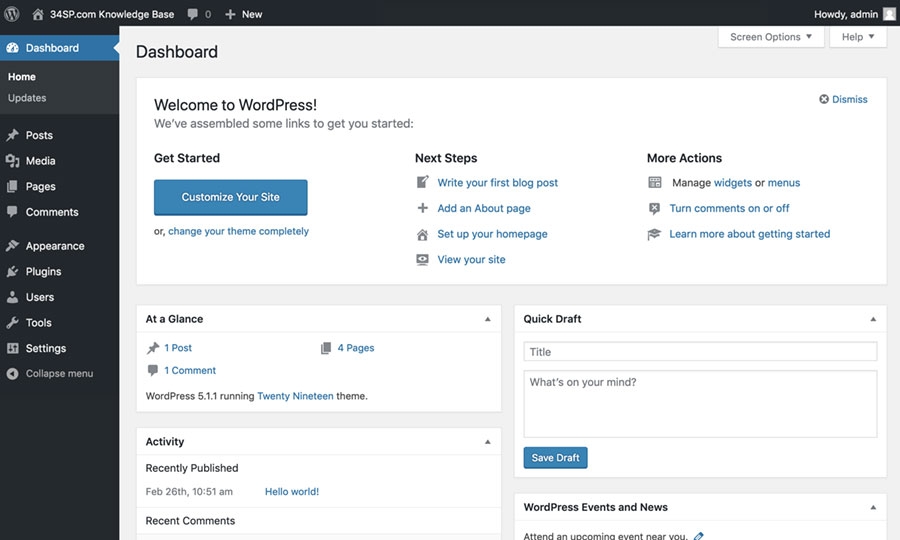
Common examples of each type
Static websites often include:
- marketing sites with a small number of pages
- landing pages
- documentation or reference sites
- personal or portfolio sites
Dynamic websites often include:
- blogs and content libraries
- ecommerce sites
- membership or client portals
- resource hubs and directories
Most modern business websites are actually a mix of both.
So… which one should you choose?
This is where things get interesting.
The right choice depends less on your industry and more on:
- how often your content changes
- how much structure you want behind the scenes
- how comfortable you are maintaining the site
Many founders assume “dynamic” automatically means “more professional.”
That’s not true.
A well-designed static site can outperform a bloated dynamic one in:
- clarity
- speed
- trust
And a thoughtfully built dynamic site can save enormous time as your content grows.
The real question isn’t static vs dynamic—it’s fit.
Where platforms like Webflow fit in
Modern tools blur this distinction in a good way.
For example, Webflow allows sites to:
- use static pages for core marketing content
- use dynamic collections for blogs, case studies, or resources
That hybrid approach gives you:
- speed where it matters
- flexibility where it helps
- less complexity overall
This is why architecture decisions matter more than labels.
The bigger takeaway most people miss
Choosing between static and dynamic websites isn’t a technical decision—it’s a strategic one.
When the structure matches how your business actually works:
- the site is easier to maintain
- updates feel lighter, not stressful
- visitors understand you faster
When it doesn’t, even “powerful” websites feel fragile.
This is often the moment people realize the problem isn’t the tool they chose—it’s how the site was planned.
Want help thinking this through for your own site?
I regularly share breakdowns of real websites—what structure they use, where it helps, and where it quietly creates friction—inside my email notes and sprint demos.
If that would be useful, you can add yourself here:
https://add.wisewebops.com
No pressure. Just clarity, examples, and perspective.